
Every drop of water you can trust: Campus direct drinking water is becoming a standard feature.
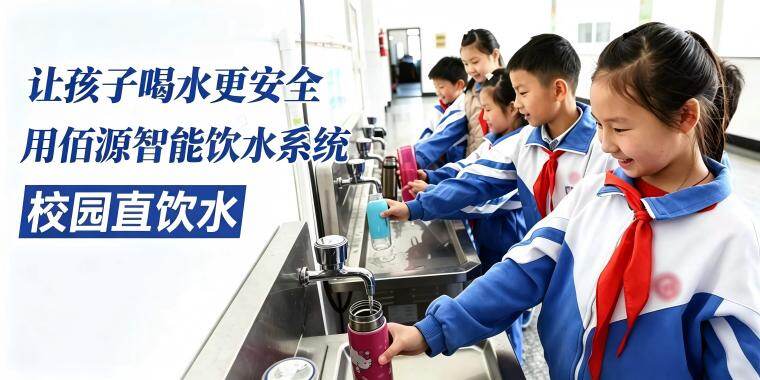
In recent years, with the national government's heightened focus on healthy drinking water for adolescents, campus direct-drinking water systems are rapidly shifting from an optional feature to a standard requirement. From major cities to rural towns, and from universities to primary and secondary schools, more students now have access to safe, convenient tap water. This "campus drinking revolution" is driven by policy support, technological maturity, and growing market demand.
Every drop of water you can trust: Campus direct drinking water is becoming a standard feature.
In recent years, with the national government's heightened focus on healthy drinking water for adolescents, campus direct-drinking water systems are rapidly shifting from an optional feature to a standard requirement. From major cities to rural towns, and from universities to primary and secondary schools, more students now have access to safe, convenient tap water. This "campus drinking revolution" is driven by policy support, technological maturity, and growing market demand.
I. Policy Front: Campus Drinking Water Safety Becomes a National Priority
The "Hygienic Standard for Drinking Water Equipment in Schools and Childcare Institutions" (WS 10014-2023), published in 2023 year, specifies overall hygiene requirements, installation standards, cleaning and disinfection protocols, and management guidelines. It applies to drinking water facilities in all types and levels of schools, including primary and secondary schools and early education centers.
At the same time, the joint action plan for building water-saving universities promoted by multiple national ministries explicitly requires that by the end of 2025, the proportion of water-saving universities reaches 70%, with the proportion in the Yellow River basin reaching 100%. The coverage rate of water-saving fixtures must reach 100%, and bathing...Achieve full coverage of the direct drinking water metering and control system.By the end of 2028, the proportion of water-saving universities will increase to 100%.
At the local level, governments across the region are integrating campus direct drinking water into their key livelihood initiatives. In Wenchang, Hainan, for example, 111 primary and secondary schools installed 1124 direct drinking water outlets, benefiting over 7 students. Xuyi County, Jiangsu, invested 52.11 yuan to install 77 energy-efficient direct drinking machines in 29 schools, offering cold, warm, and hot water options. In Ordos, Inner Mongolia, cumulative fiscal support for campus drinking water safety reached 560 yuan in 2024, increasing to 761 yuan in 2025.
2. Market Side: The Campus Direct Drinking Water Industry Enters a Rapid Growth Phase
According to industry research, China's campus direct drinking water market reached 58 billion yuan in 2025, with a projected growth to 85 billion yuan by 2030, representing a CAGR of 7.9%. The penetration rate of direct drinking water systems in commercial sectors (schools, hospitals, office buildings) has exceeded 65%.
A survey of 167 public primary and secondary schools in Pudong New Area, Shanghai, found that there is one direct drinking water tap for every 41 students. 70% of schools meet the minimum requirements for direct drinking water facilities, and more than 90% have placed these facilities in high-traffic student activity areas.
In the higher education sector, in 2025 2, Chongqing Water Quality Separation Co., Ltd. signed a direct drinking water project cooperation agreement with Chongqing Engineering University to provide high-quality direct drinking water services for 1.2 faculty and students. Similar projects are accelerating across universities nationwide.
3. Technical Side: From "Having Water" to "Drinking Quality Water"
Early campus drinking water solutions relied primarily on boiler water and bottled water, which posed widespread safety risks, secondary contamination, and high management costs. Today, modern systems...Reverse Osmosis (RO) membrane filtration, UV sterilization, and IoT smart monitoringThe core direct drinking water system is redefining campus hydration standards.
Security upgradeRO reverse osmosis filtration with a precision of 0.0001 microns effectively removes harmful substances such as heavy metals, bacteria, and viruses from water, producing water safe for direct drinking. Survey data from some regions show that the compliance rate for tap water quality is approximately 80%, indicating room for improvement.
Smart ManagementIoT enables real-time TDS water quality monitoring, proactive filter lifespan alerts, and remote device control, significantly reducing the burden on school facilities management.
Energy Saving and Environmental ProtectionEnergy-saving water dispenser with heat exchange technology saves over 80% energy compared to traditional kettles while preventing water quality issues like "reboiled water" and "mixed cold/hot water."
IV. Future Trends in Campus Direct Drinking Water
Universal adoptionFrom first-tier cities to county schools, campus drinking water is becoming a standard feature. More local governments are incorporating it into their livelihood projects, with sustained increases in fiscal investment.
StandardizationThe release of documents such as the "Hygienic Standards for Drinking Water Equipment in Schools and Early Childhood Education Institutions" has established clear technical specifications for equipment selection, operation and maintenance, and hygiene management of direct drinking water systems on campuses.
Professional ServicesSchools no longer need to manage drinking water equipment in-house. More and more are choosing to have their direct drinking water systems operated by professional service providers, adopting a model of "free equipment deployment + pay-as-you-use + full-cycle maintenance."
Smart ProductFeatures like IoT, AI-powered water quality monitoring, and remote control will become standard for campus direct drinking water systems, further enhancing management efficiency and drinking water safety.
5. Baiyuan Water: Safeguarding Campus Drinking Water Safety
Guangdong Baiyuan Environmental Protection Technology Co., Ltd. (Baiyuan Water), with over a decade of expertise in water treatment, has supplied campus direct drinking water systems to numerous educational institutions, including Sun Yat-sen University, United International College (Beijing Normal University–Hong Kong Baptist University), Harrow Lide School Zhuhengqin, Zhongshan Memorial Middle School, Sanzao Middle School, Sanzao Primary School, Caotang Middle School, and others.
We3M Commercial Drinking Water Purifier + Energy-Saving Water Dispenser + In-Line UV SterilizerComprehensive solution providing campuses with an end-to-end service from centralized purification to terminal constant-temperature water supply. The equipment features anti-scald design, "no water if not boiling," and smart IoT remote monitoring, truly achieving peace of mind for schools, reassurance for parents, and confidence for students when drinking.
Every drop you can trust. Baiyuan Water protects campus drinking safety.
Guangdong Baiyuan Environmental Protection Technology Co., Ltd.
Company Address: Room 2101, Building A, Zhengfang Yunxi Valley, Xiangzhou District, Zhuhai City
Official Website:www.beryon.cn
Phone: 0756-6230686
Recommended Related Cases
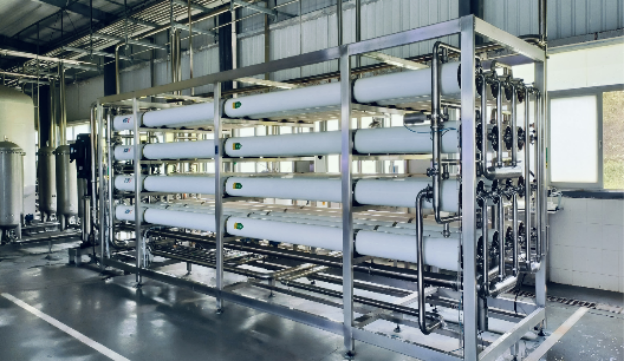
Robust Guangzhou Production Base Dual-Stage Reverse Osmosis Pure Water System Project Case | Baiyuan Water Industry
Robust Group utilizes Baiyuan Water Industry's dual-stage reverse osmosis pure water system. The produced water meets GB 19298-2014 packaging drinking water standards, with a bottled water production capacity of 2400 buckets per hour. Multi-stage pretreatment + dual-stage RO + terminal sterilization combination...
View Details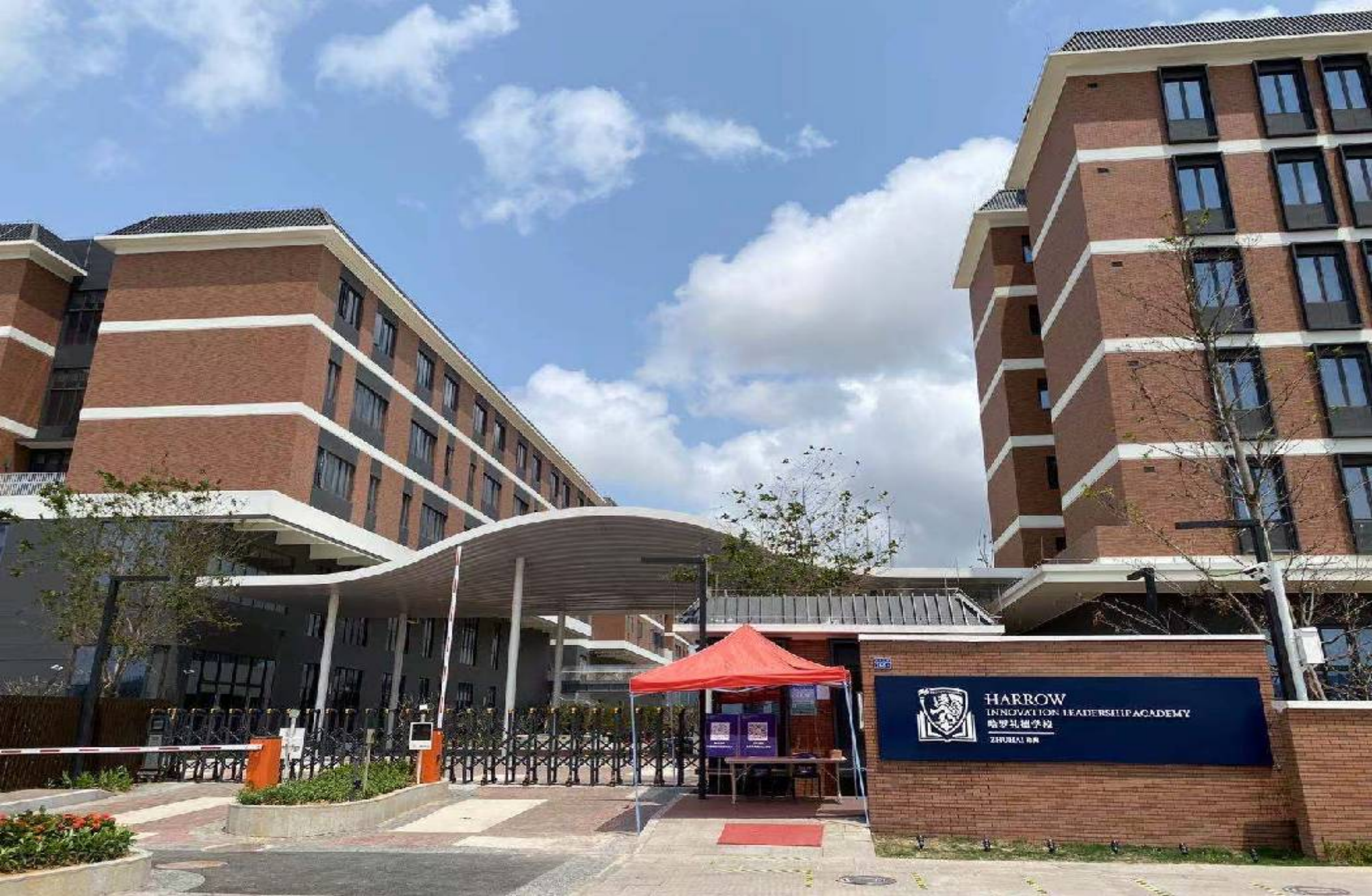
Zhuheng Hengqin Harrow Li De School Direct Drinking Water System Project Case | Baiyuan Water Industry
Baiyuan Water Industry provides a safe and healthy campus drinking water system for Zhuhai Hengqin Harrow School, covering primary, middle, and high school teaching buildings as well as dormitory areas. The system features a combination of 3M commercial drinking water purifiers and Shijifengyuan energy-saving drinking fountains, equipped with over...
View Details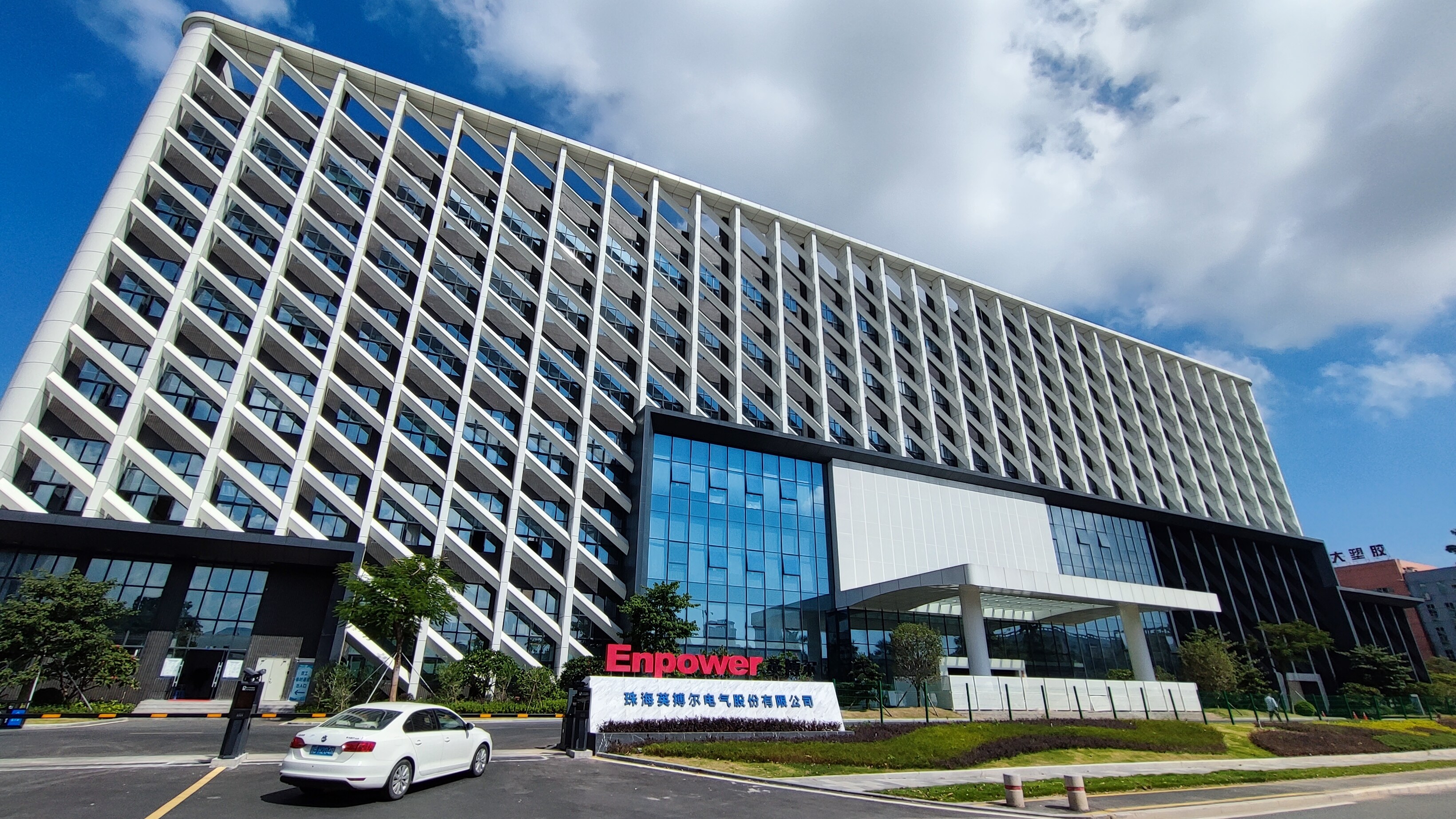
Zhuhie Inbott Electric Co., Ltd.
Secondary RO + EDI + Nuclear-Grade Resin Ultrapure Water System; produces ultrapure water for new energy equipment manufacturing (resistivity > 18.2 MΩ) and direct drinking water in the workshop.
View Details